When a graph becomes a memory
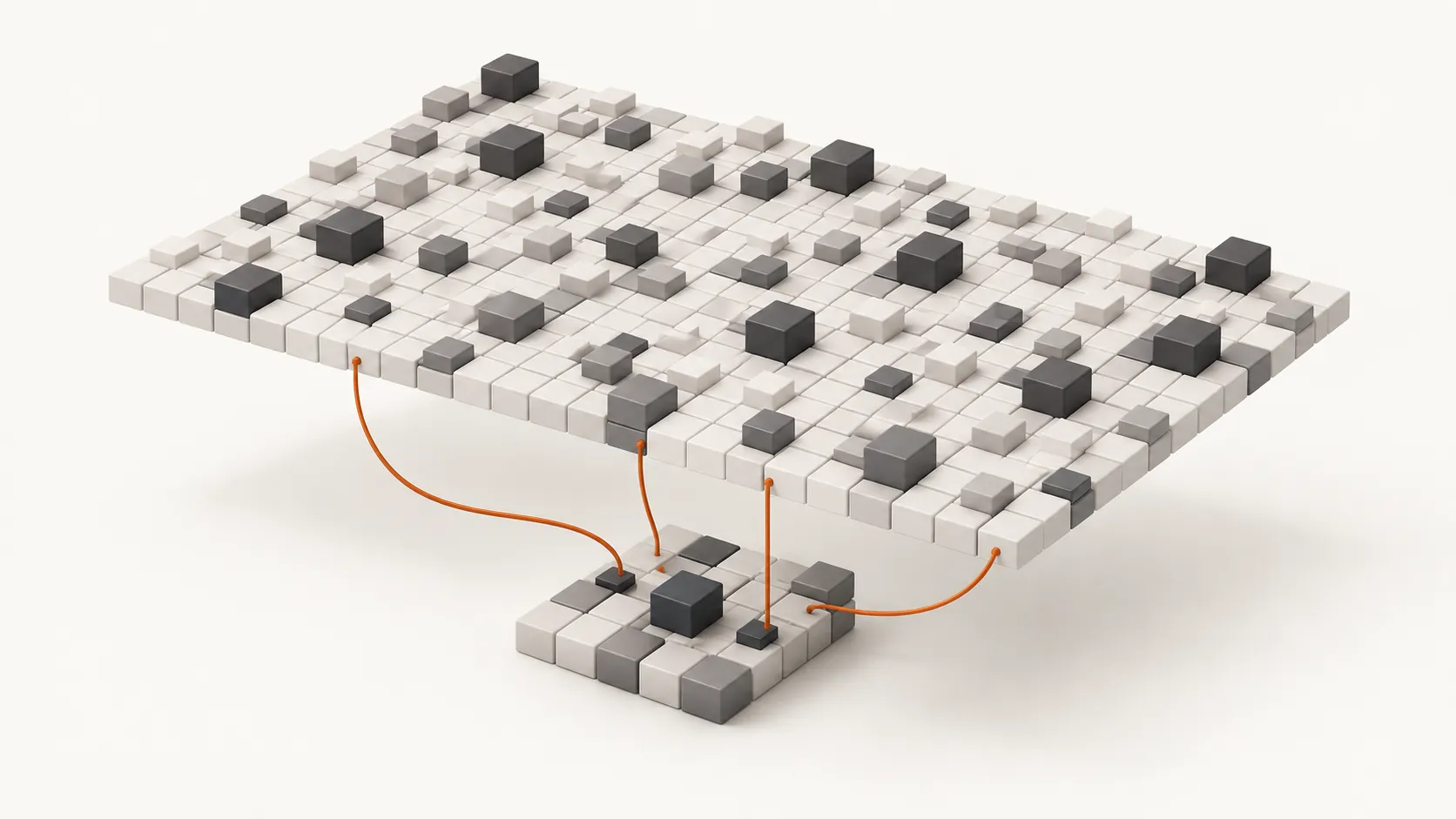
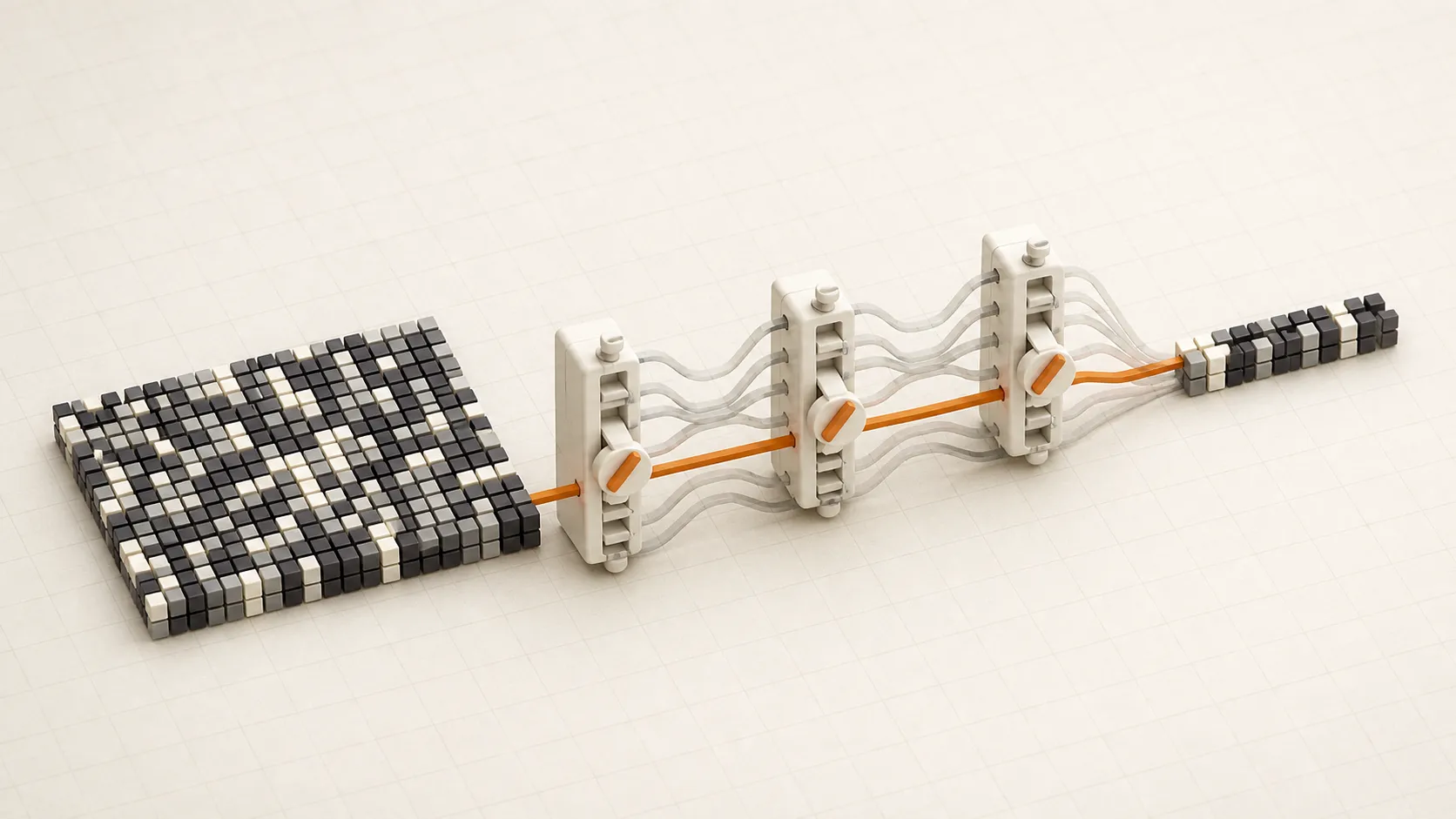
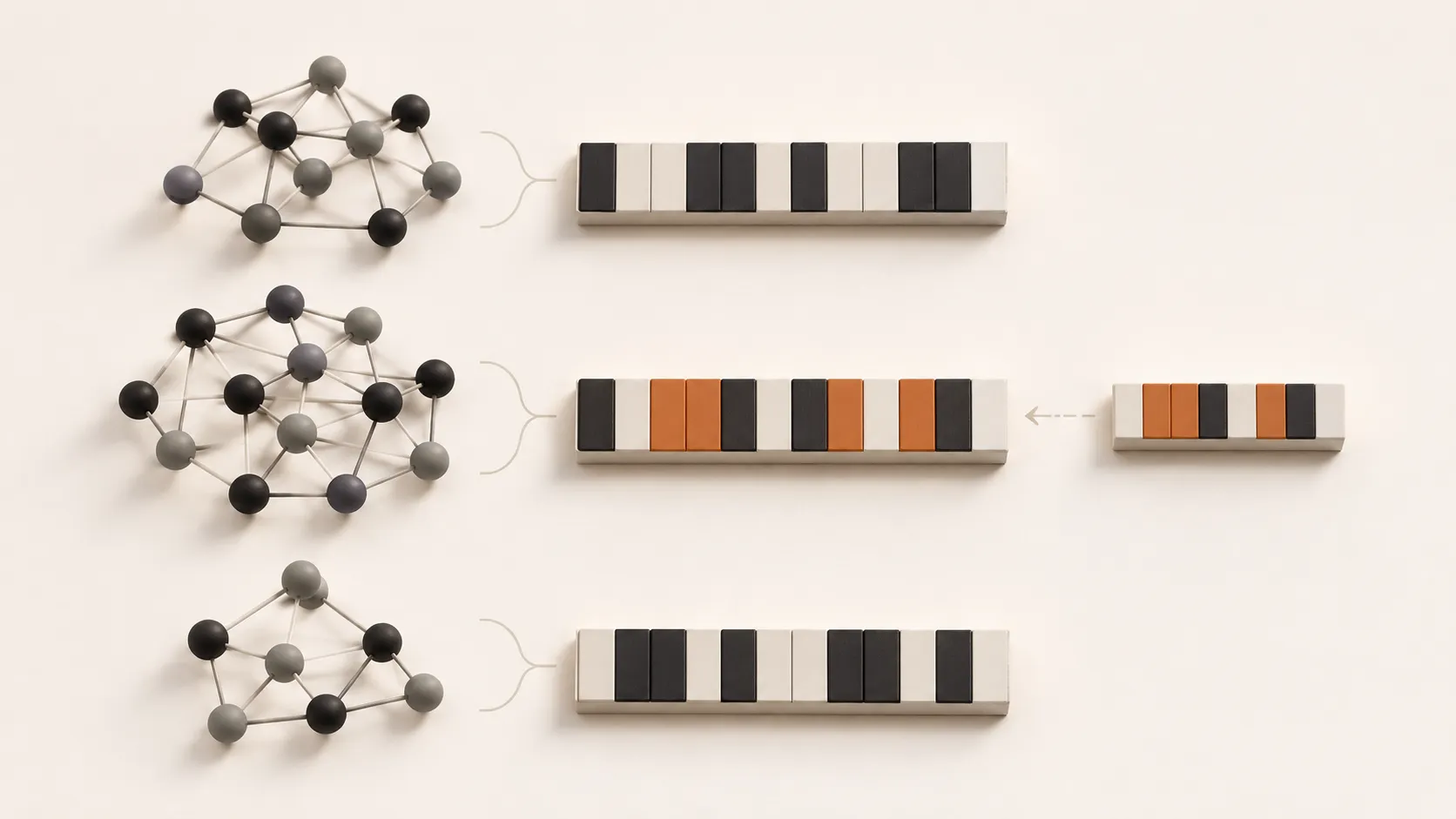
A graph can discover groups that an HDC bundle later recognizes. HDLouvain shows what that shortcut buys, and raises a harder question about what the memory keeps.
Research
R&D is a strong focus of our work at HDC Labs. We examine research across HDC, graph intelligence and deep learning, develop our own perspective, and explore how those ideas translate into building practical systems.
Showing 1–10 of 12 posts
A graph can discover groups that an HDC bundle later recognizes. HDLouvain shows what that shortcut buys, and raises a harder question about what the memory keeps.
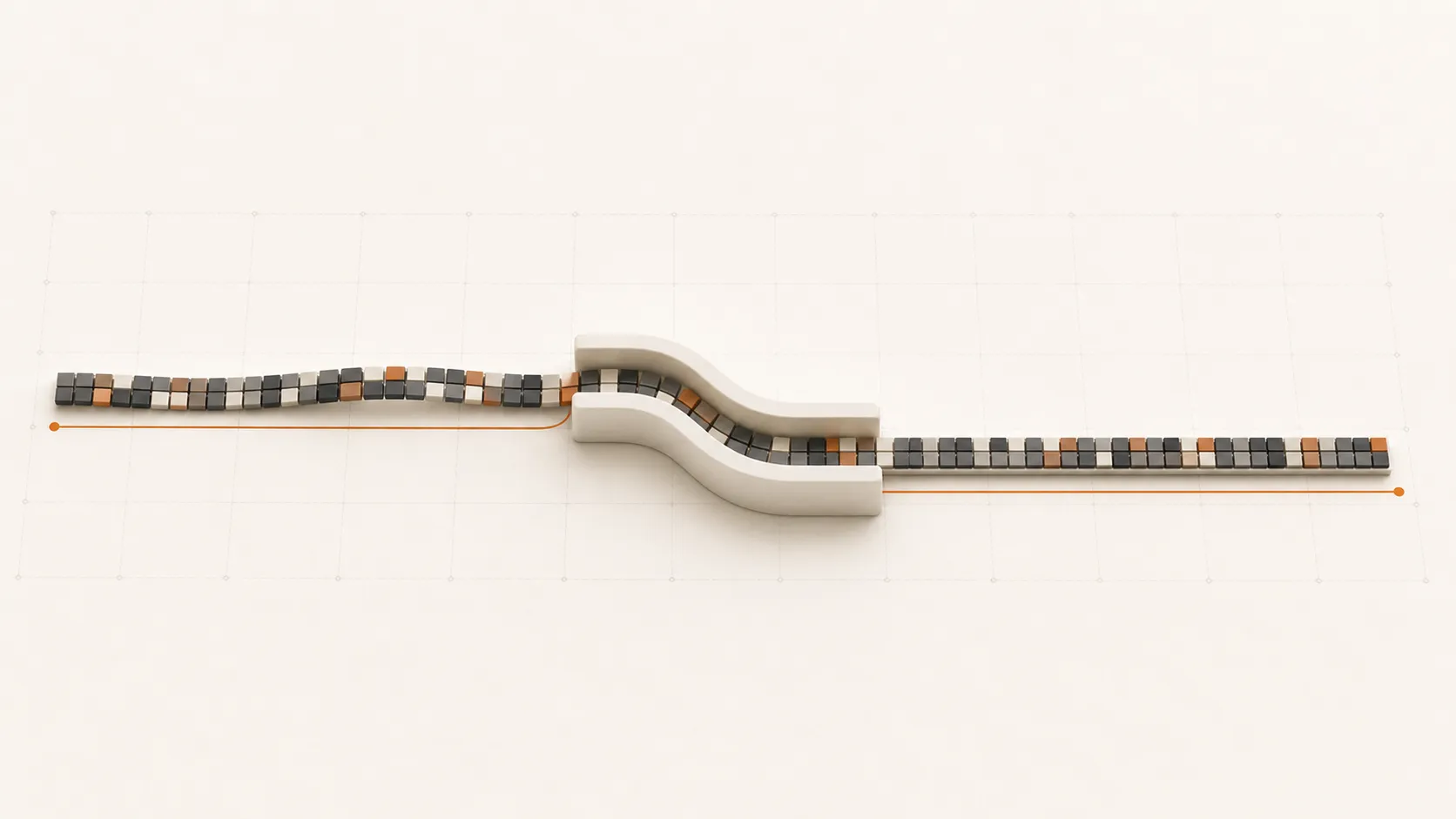
How many records fit in a 2,048-dimensional hyperspace before unrelated records start to look alike? Our experiments suggest that the answer depends on how many comparisons we make.
How TrainableHD learns its encoder as well as its classes. We follow a mistake through training, work through an incident example, and examine the costs of deployment.
What happens as we pack more and more facts into a bundle? We study the limits of bundling capacity with a 50-item questionnaire.
Five MAP experiments explore how bundled hypervectors support semantic retrieval, explainable scores, query preferences, and removal of known facts.
What a new neuroscience framework proposes about context, compression, and action, and how HDC could turn those ideas into a computational architecture.
A critical review of PhotoHDC's modeled electro-photonic accelerator, what its evidence supports, and how OLIX and recent optical HDC work sharpen the deployment question.
A reproducible experiment that tests whether HRR and MAP preserve the same similarity structure in a shared encoder.
How ApproxHDC searches application, compiler, and simulated-hardware choices to trade HDC task quality for speed and energy efficiency, and what the reported evidence establishes.
How learnable HDC encoders can adapt similarity geometry to modeled compute-in-memory nonlinearities, and what the current evidence establishes.
Contact
If you're working with connected data, retrieval, agent memory or online learning, we'd love to hear what you're building and where the current representation is falling short.
We usually reply within two business days.