Connecting the dots in hyperspace: Why we built lance-csr
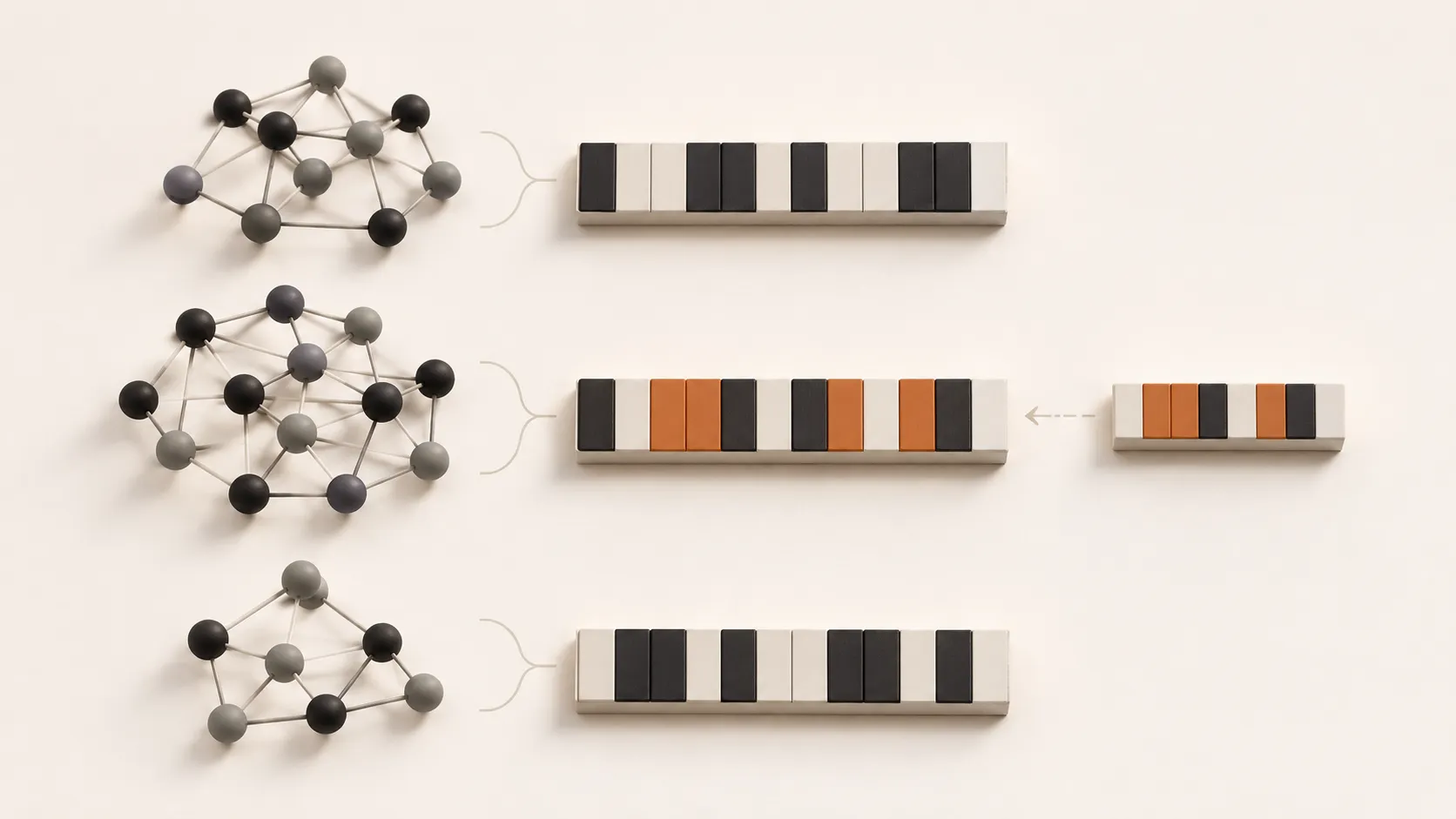
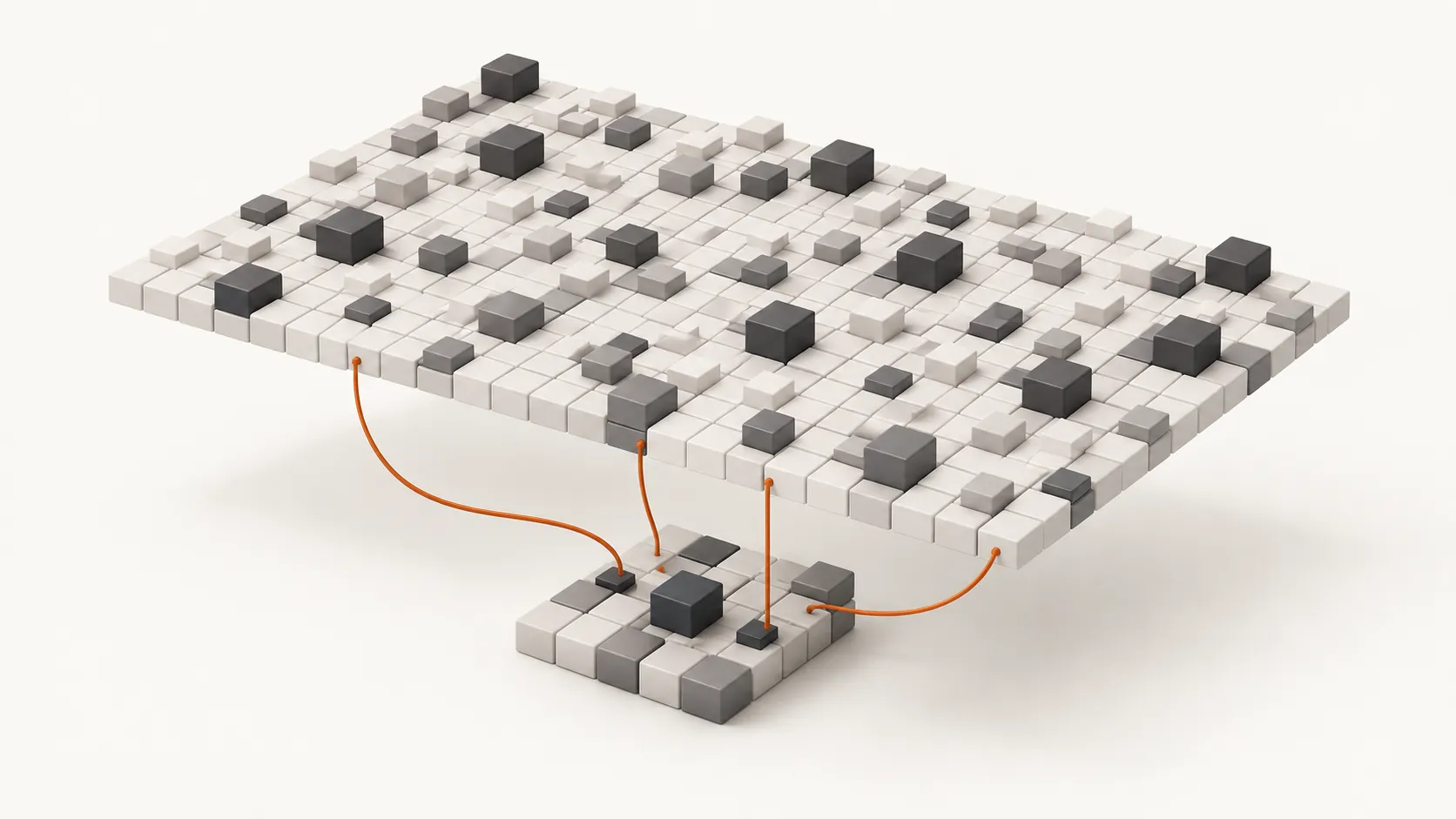
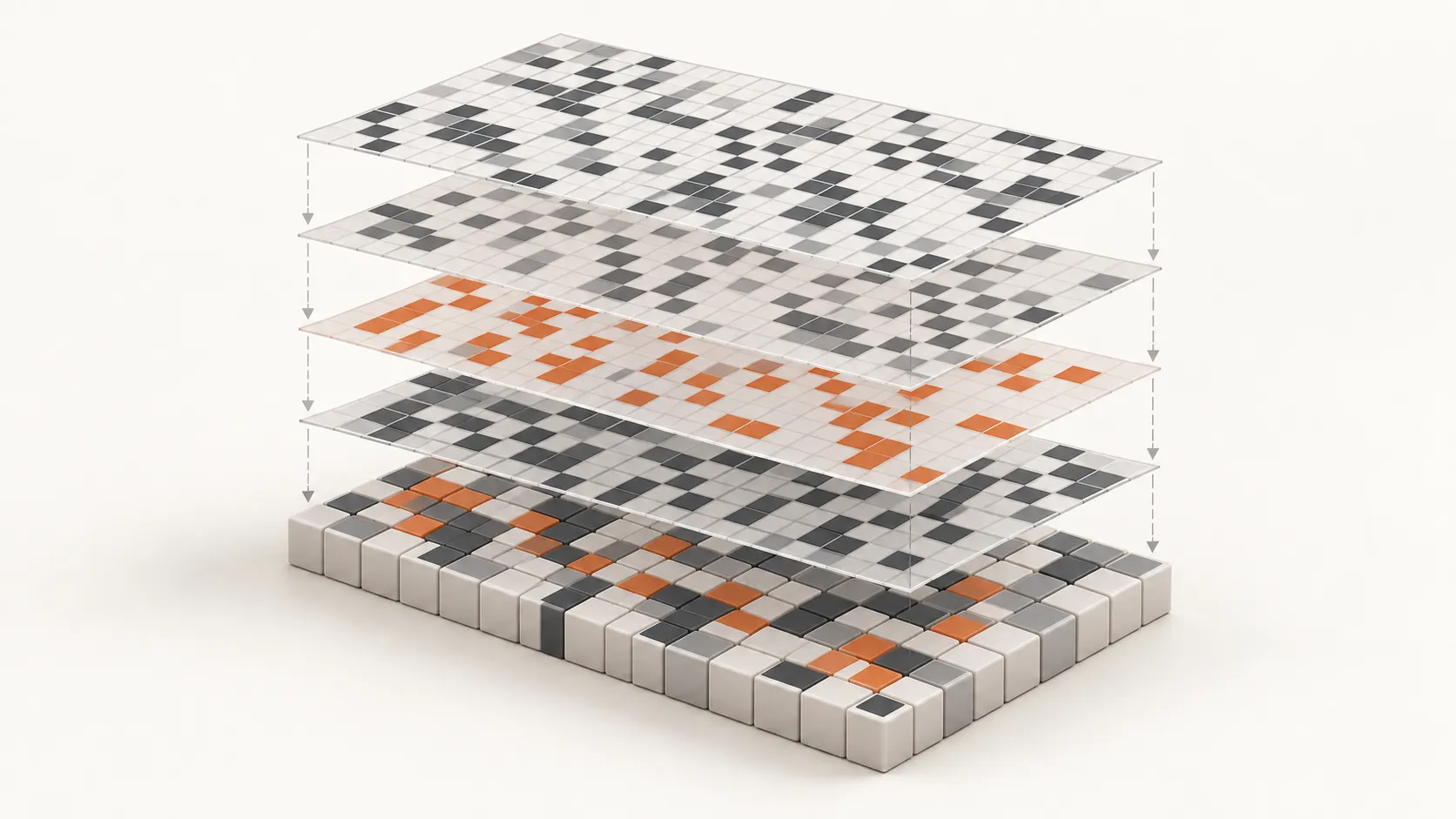
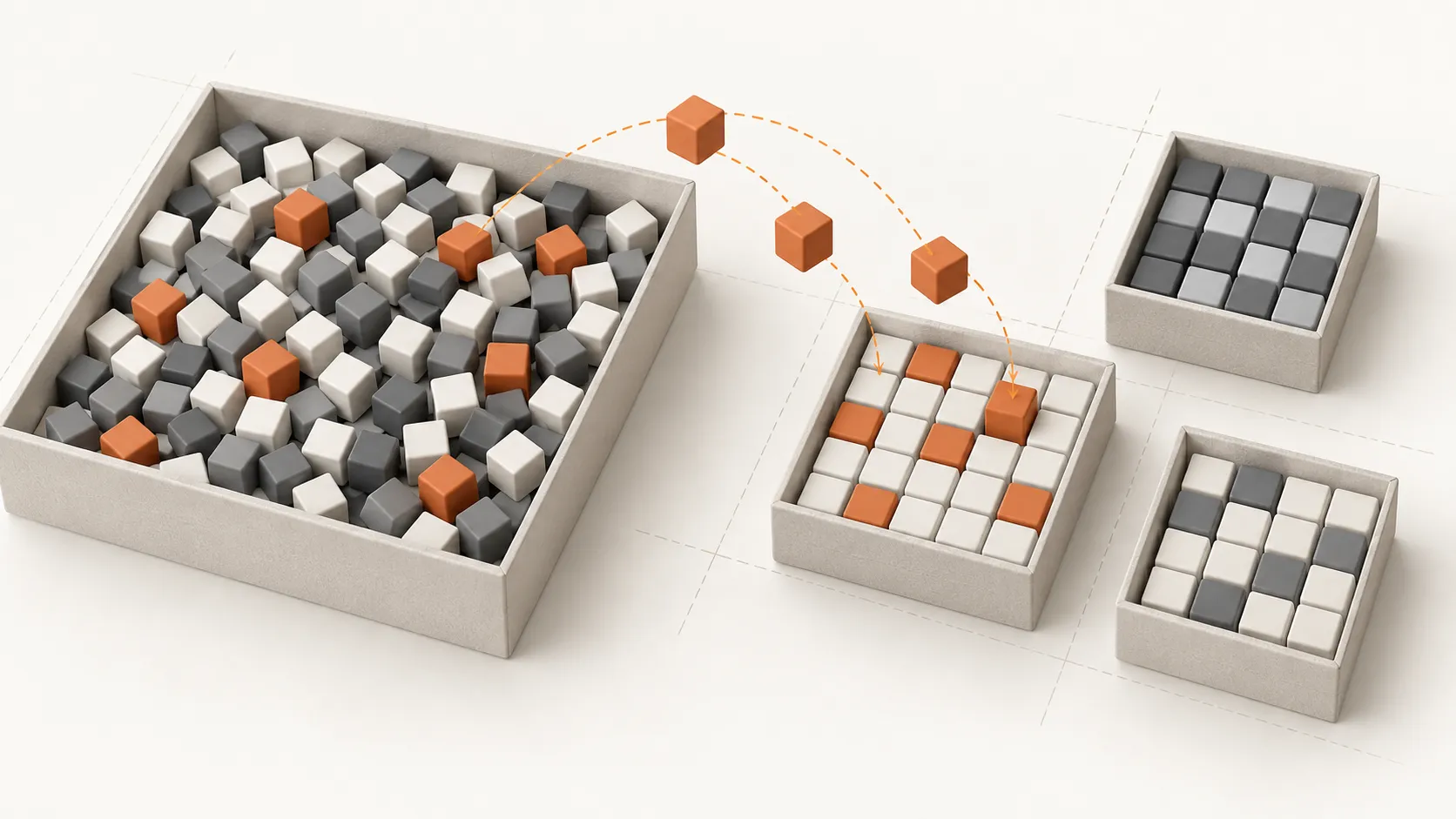
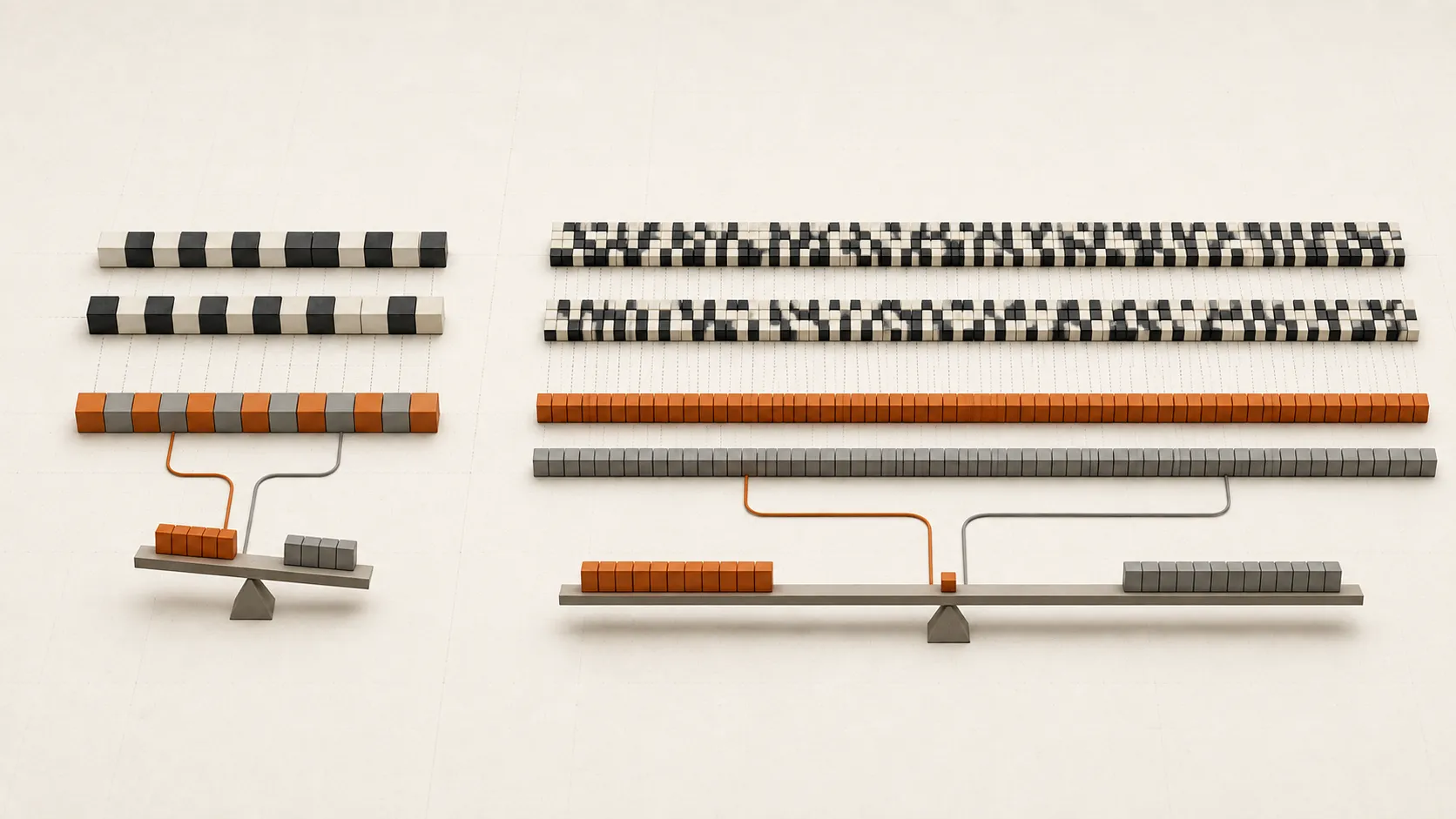
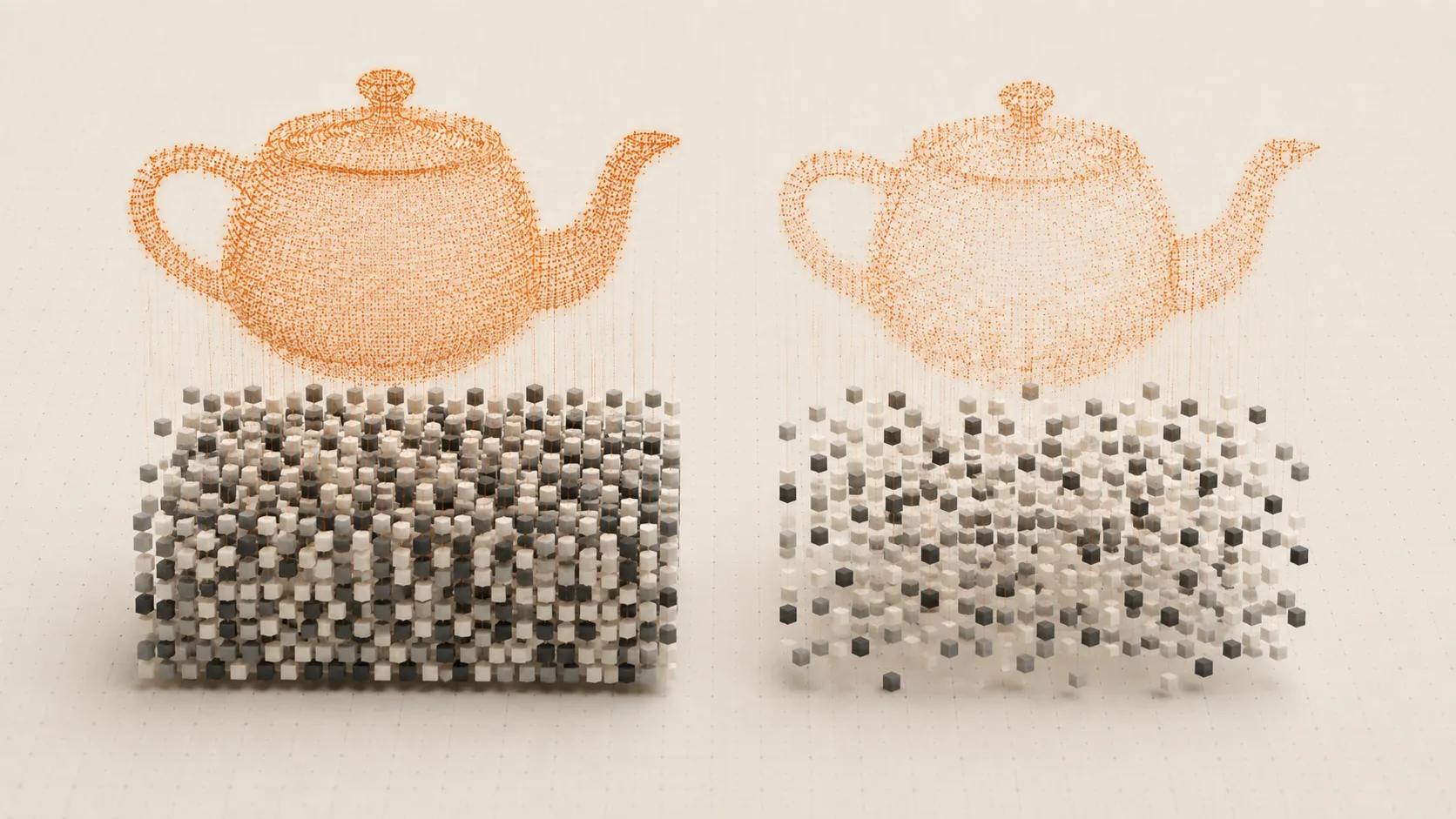
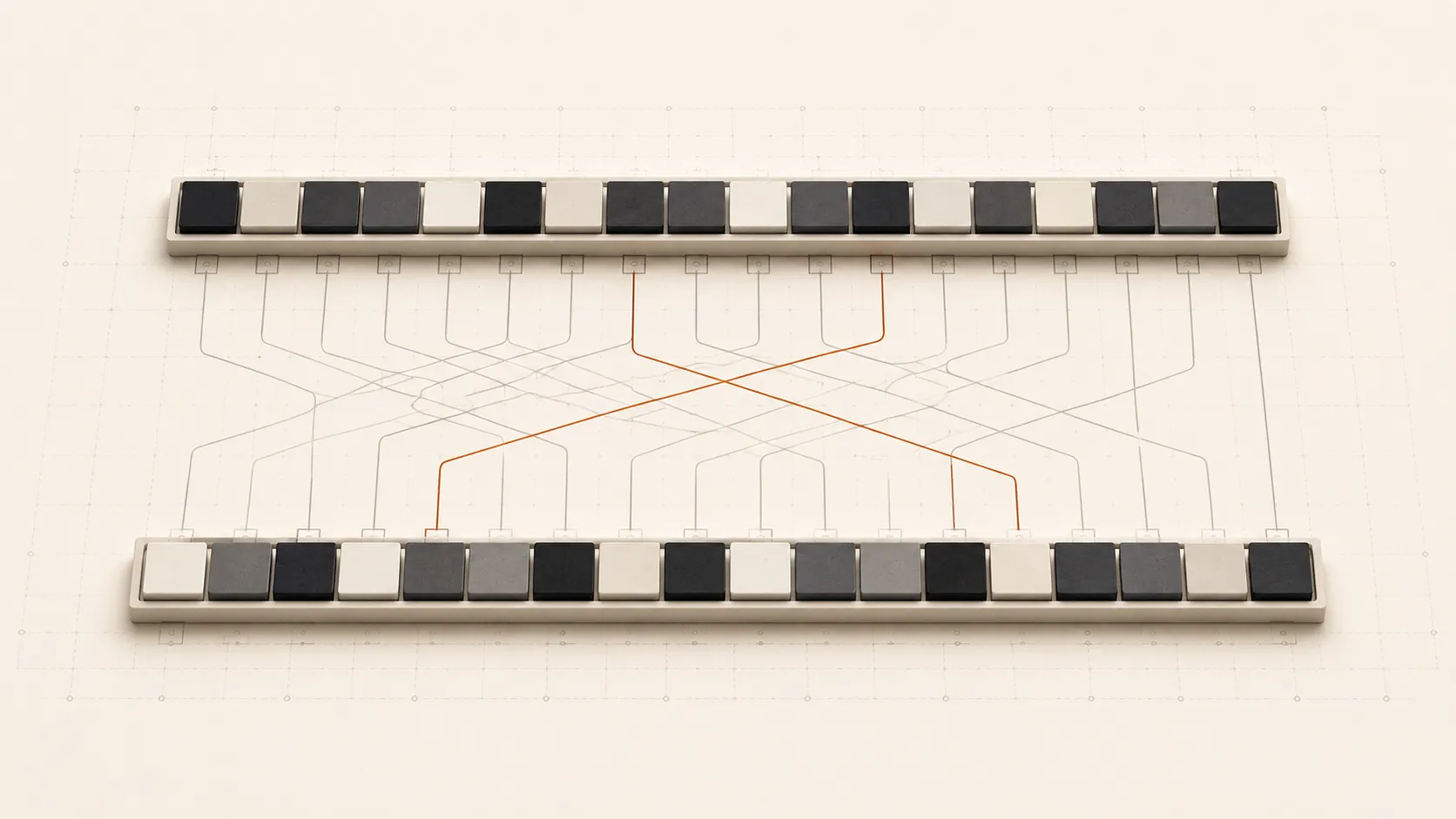
We introduce lance-csr, a fast graph query engine over Lance datasets that enables exact queries in Cypher or SQL, and associative search with hypervectors over a single copy of the data.
Blog
Every post from HDC Labs, collected in one place, newest first.
Showing 1–10 of 32 posts
We introduce lance-csr, a fast graph query engine over Lance datasets that enables exact queries in Cypher or SQL, and associative search with hypervectors over a single copy of the data.
A graph can discover groups that an HDC bundle later recognizes. HDLouvain shows what that shortcut buys, and raises a harder question about what the memory keeps.
When tasters score a food product, their feedback reveals more than an overall rating. Explore how HDC turns those scores into patterns we can compare, revise and learn from.
When a robot's load, charge or temperature changes, a familiar route can make very different demands. We explore how HDC memory could help it prepare for the journey ahead.
How many records fit in a 2,048-dimensional hyperspace before unrelated records start to look alike? Our experiments suggest that the answer depends on how many comparisons we make.
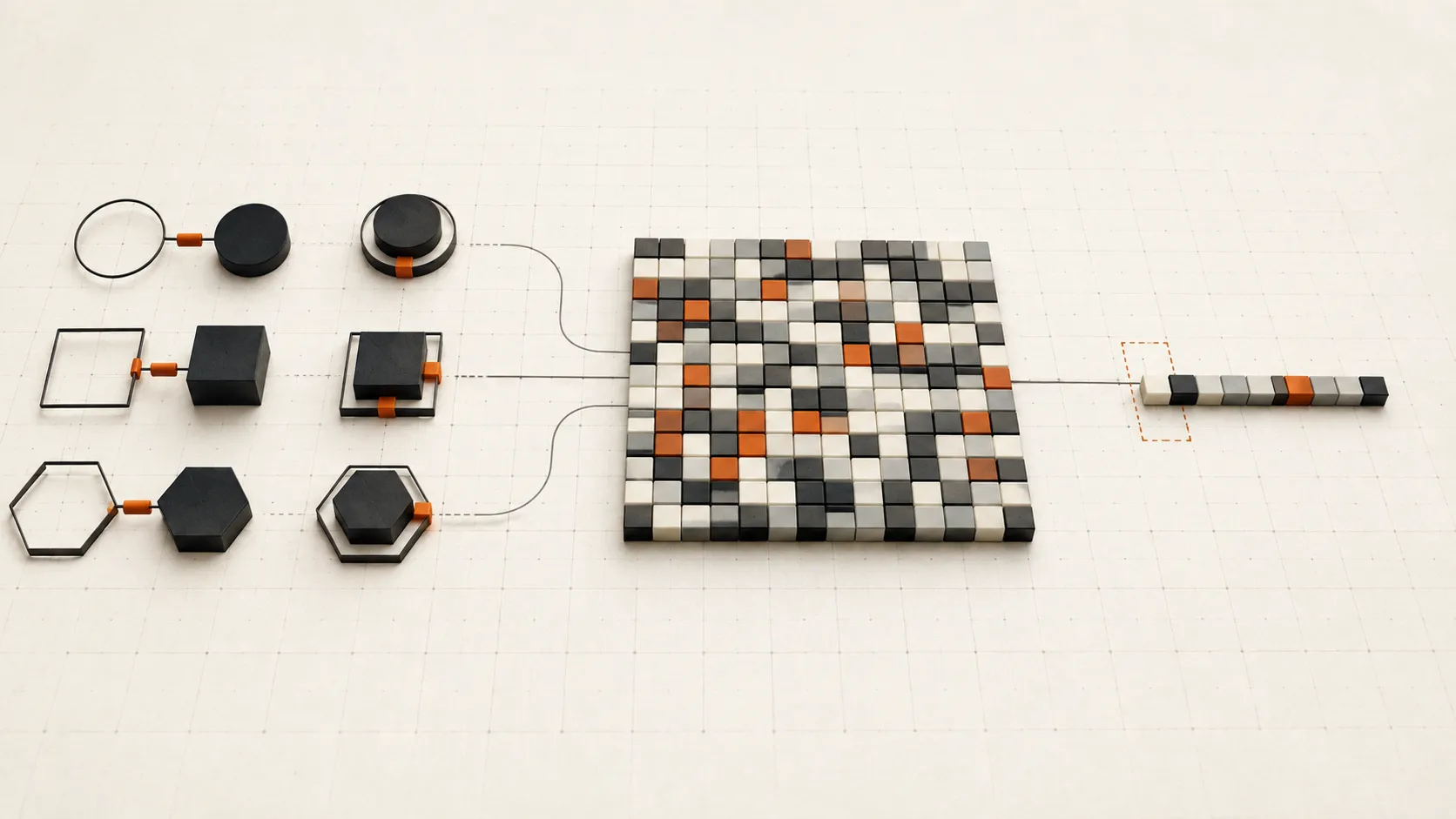
How TrainableHD learns its encoder as well as its classes. We follow a mistake through training, work through an incident example, and examine the costs of deployment.
What happens as we pack more and more facts into a bundle? We study the limits of bundling capacity with a 50-item questionnaire.
A look back at how the HDC literature describes the terms "cleanup" and "crosstalk", and how we can view both terms through a modern lens using vector search in LanceDB.
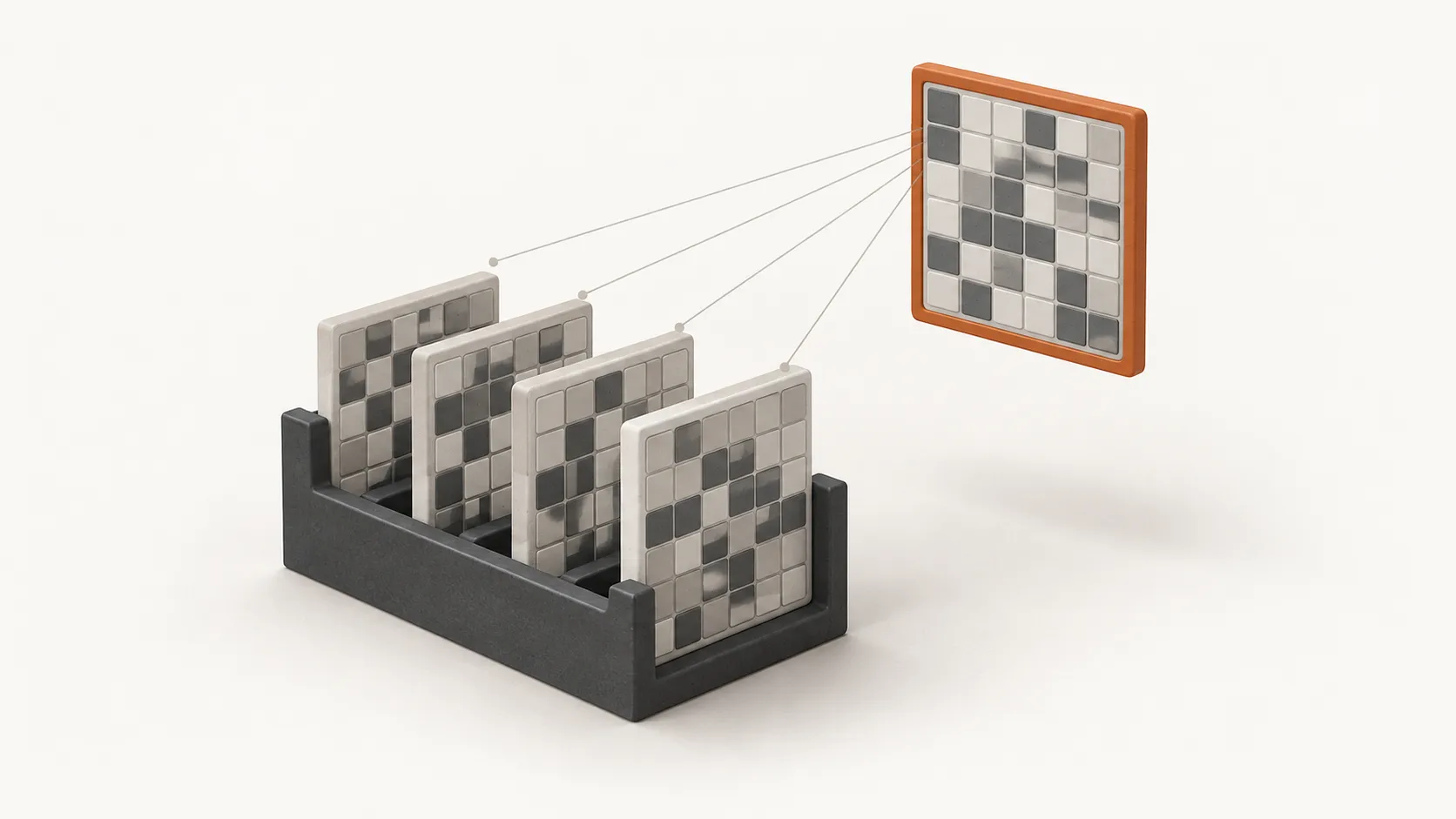
An HDC experiment that separates stored examples from temporary class summaries, and compares rebuilding with caching.
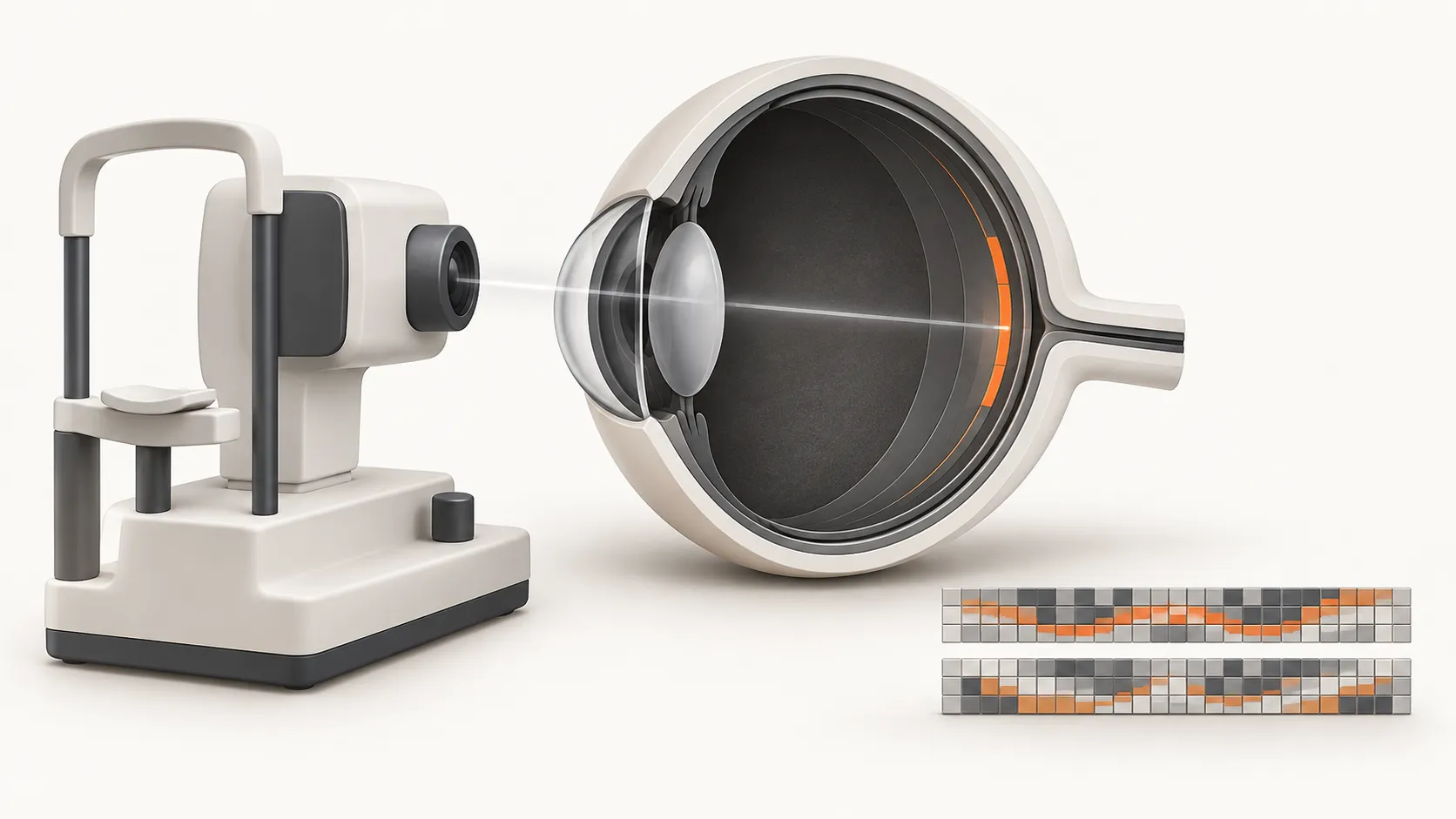
Explore how HDC combines medical imaging and clinical language to classify retinal disease and support review of AI predictions.
New to HDC? Start with these four introductions.
A gentle introduction to how hyperdimensional computing represents, combines, and retrieves information using high-dimensional hypervectors.
A closer look at the high-dimensional, distributed mathematical objects that give hyperdimensional computing its unusual geometry.
How Hyperdimensional Computing distributes information across an entire hypervector, helping representations degrade gradually under noise.
An introduction to the role of permutation in hyperdimensional computing and how it preserves structural information in ways that multiplicative binding cannot.
Contact
If you're working with connected data, retrieval, agent memory or online learning, we'd love to hear what you're building and where the current representation is falling short.
We usually reply within two business days.